• HUMAN NATURE CONNECTION

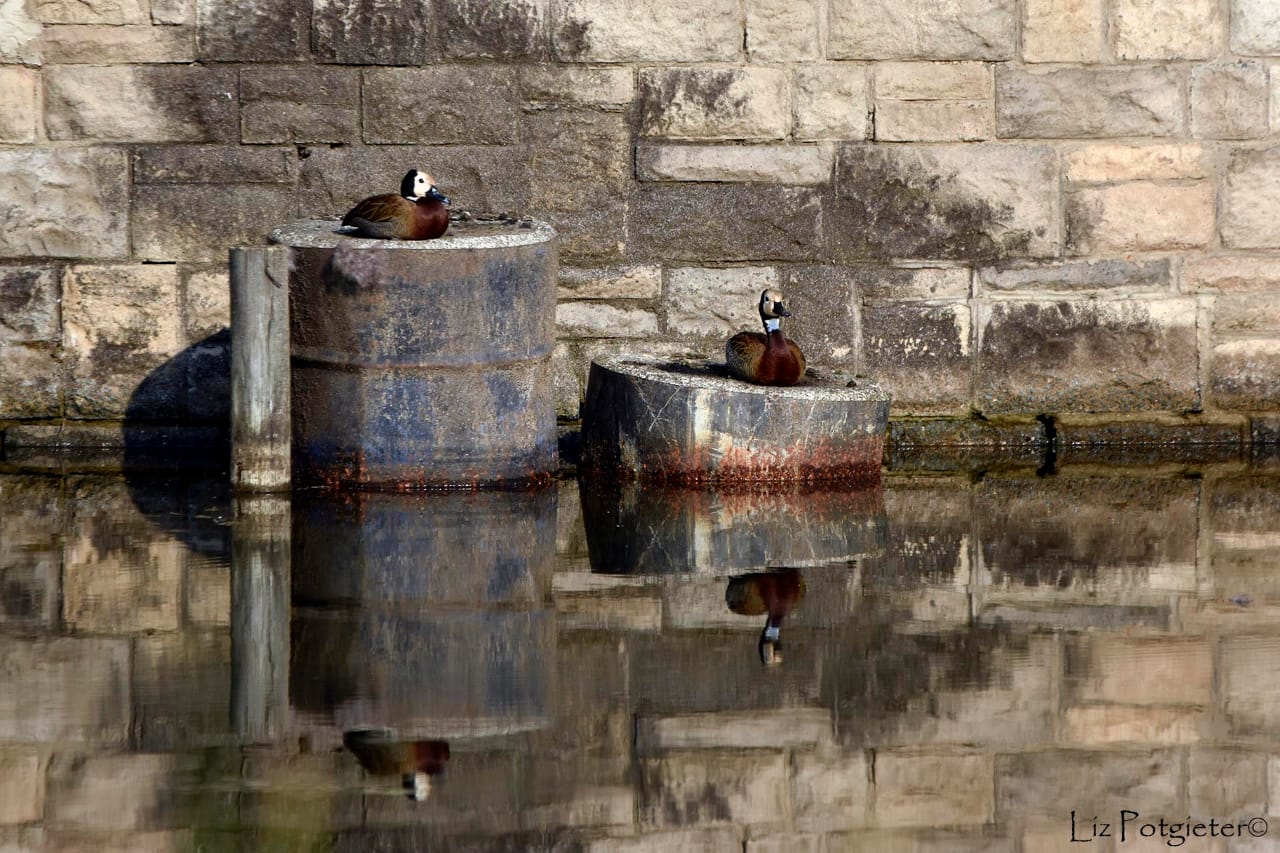
    Photo by Liz Potgieter

Pringle Bay Human Nature Connection

Rewilding is a way of reverting to our natural, real, original state of being while undoing and eliminating unhealthy conditioning and lifestyles that we have become accustomed to and that have taken us away from the sovereign beings that we are.

It is about exploring the essence of our own worthiness, working on inner growth, and being aware of our interconnectedness with nature while shedding the layers that hinder personal growth. Unearthing our authenticity, awakening to our ancestral wisdom, embracing change and co-creating our path forward. The reward is that we live more authentically, contribute our unique talents to the world, and discover the power of being rewilded. Personal transformation occurs through embracing archetypes and symbolism, doing inner work and developing our inner senses along with stillness and presence in nature.

Pringle Bay fosters a deep human-nature connection through community engagement, conservation activities, and immersive experiences, enriching lives and landscapes alike.
Rewilding means 'to make something wild again’. The idea is to restore natural environments to their original state, the way they were before human activity damaged them. Rewilding aims to put nature, not humans, in control.
Ways to rewild humans

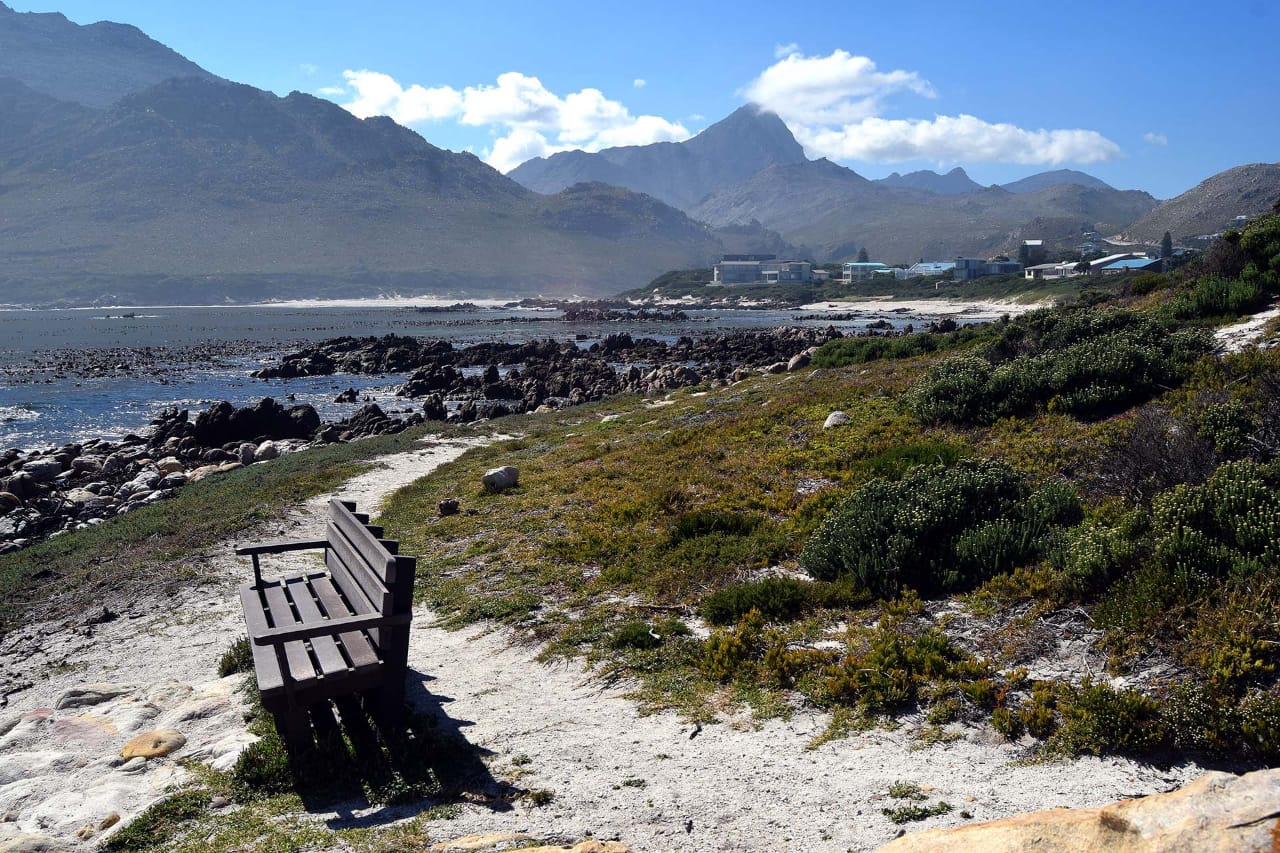
  • Find a ‘sit-spot’ in nature and visit it for at least 10 to 20 minutes every day. This can be anywhere in nature, even in your back garden while having your morning coffee and being quiet and present in what happens around you. Note the plants, birds, insects and animals around you; the changes happening as the seasons change; and everything that happens inside you – whether it be your thoughts, new ideas, or old emotions showing themselves.
  • Instead of a sit-spot you can also have a walking route which you walk regularly with total awareness, observing your environment and starting to develop a relationship with the creatures that share the same area as you. If you are close to water, it can be a routine to go into the sea or a river and become accustomed to the life forms in the water.
  • Use your senses to develop a deeper level of connection to what is in and around you. It is more than just seeing, feeling or hearing: it is a deep connection that allows deeper levels of knowing to become available.
  • Biomimicry refers to a practice that looks to nature and natural systems for inspiration and uses nature-inspired strategies to improve design. Through adaptation and evolution, nature spends millions of years tinkering its way out of problems, ending up with some mind-boggling innovations. Inefficiency does not last long in nature, and human engineers and designers often look there for solutions to modern problems. By emulating nature's time-tested patterns and designs, biomimicry helps us to create more efficient and sustainable solutions. The oldest form of biomimicry is Leonardo da Vinci’s close observation of birds, from which he developed ‘flying machines’.
  • Practise sustainable and organic vegetable gardening and composting to put ‘clean', unprocessed food on the table, and make healthy food choices.
  • Adopt a rewilded way of looking at health and healing modalities that focuses on healing the whole body – a physical, emotional, mental and spiritual state of well-being where nature, natural plant medicines, diet, body movement and natural healing practices are used.
  • Rewild children by allowing them to experience a natural or untamed state of being. This involves a process of undoing unhealthy modern conditioning and recreating cultures, school systems and lifestyles beyond domestication while tapping back into the unique qualities of each child.
linkedin facebook pinterest youtube rss twitter instagram facebook-blank rss-blank linkedin-blank pinterest youtube twitter instagram